What to Do in the First 24 Hours After Water Damage
Feb 20, 2026

Flood Doctor Team
Water Damage Expert
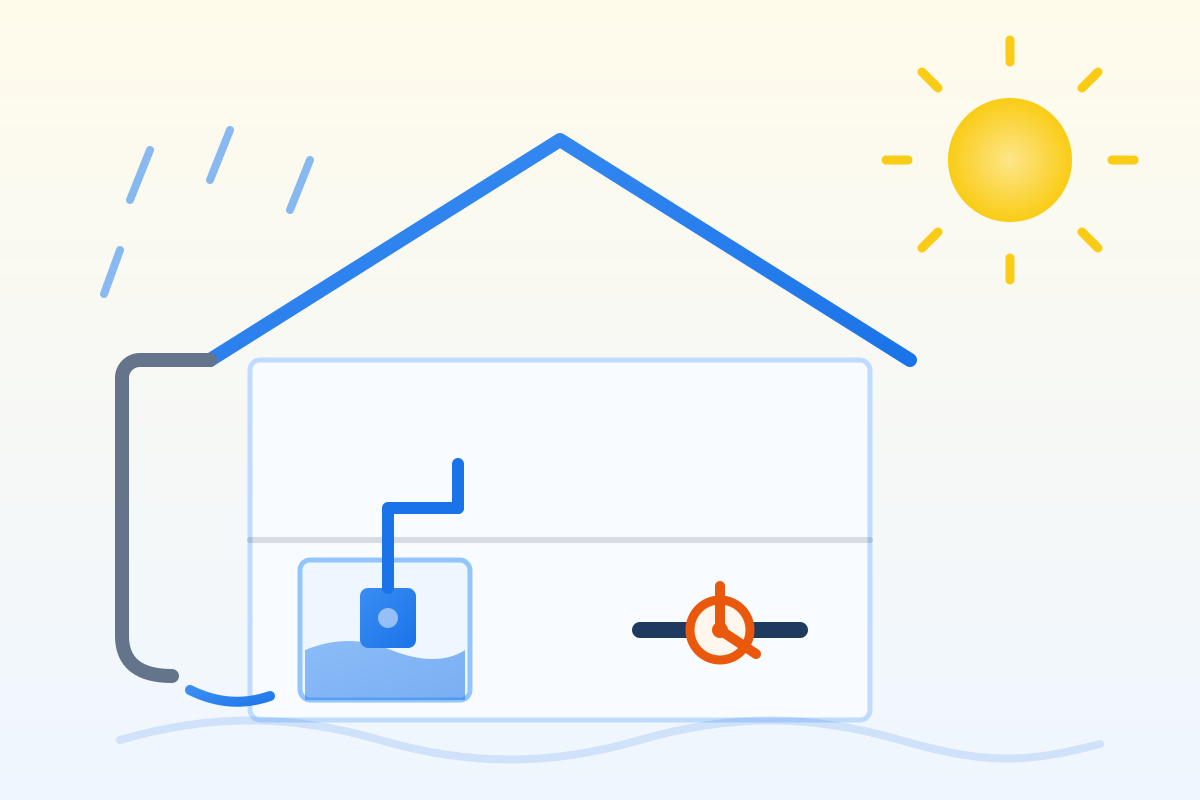
Dishwashers and washing machines are essential appliances in every Northern Virginia home, but they're also among the most common sources of water damage. A single failed hose or worn seal can release hundreds of gallons of water into your home, causing thousands of dollars in damage to floors, walls, and belongings.
Whether you live in Arlington, Alexandria, Fairfax, or anywhere in Northern Virginia, knowing how to prevent, spot, and respond to appliance leaks can save you real time, money, and stress. This guide walks through everything you need to know about dishwasher and washing machine water damage.
According to the Insurance Institute for Business & Home Safety, washing machine failures result in an average of $5,308 per incident in water damage claims. Dishwasher leaks, while typically less severe, still average around $2,000 in damages.
Northern Virginia homes face their own set of challenges thanks to the region's hard water content, temperature swings, and the age of housing stock in areas like Old Town Alexandria and other historic neighborhoods. All of these accelerate wear on appliance seals, gaskets, and hoses.
A little regular maintenance goes a long way. Clean the door gasket monthly with a vinegar solution, run an empty cycle with dishwasher cleaner quarterly, check spray arms for clogs every three months, and inspect hoses and connections twice a year. For day-to-day habits: use only dishwasher-specific detergent, scrape plates before loading, avoid overloading, and keep the unit level so the door seal isn't strained.
Upgrade rubber hoses to braided stainless steel, which are far more durable and burst-resistant. Install a drain pan under your washer to catch small leaks before they reach the floor. Shut off the water supply valves when you're away on vacation. Check hoses monthly for bulging, cracking, or discoloration, feeling along the full length of each one. Don't overload the machine, use the correct amount of HE detergent, and keep the washer level to reduce vibration and seal strain.
The first five minutes matter most. If you notice a problem, this is the order to work in. For broader guidance, see our first 24 hours after water damage guide.
Within the first hour, assess the damage. Check floors, walls, baseboards, and nearby rooms — water travels and can affect spaces well beyond the leak site. Increase ventilation with open windows and fans, and run a dehumidifier if you have one. Good air circulation helps hold off mold, which can take hold within 24-48 hours in Northern Virginia's humid climate. For anything significant, call a restoration company right away.
DIY is reasonable for tightening loose hose connections, replacing visible worn hoses, cleaning clogged drain filters, replacing dishwasher door gaskets, adjusting washing machine leveling feet, and small leaks caught immediately with minimal water. Always turn off water and power before attempting any repair.
Call professionals when water has spread to multiple rooms, affected walls, ceilings, or flooring, when there are signs of mold, when electrical components are involved, when internal appliance repairs are needed, when the leak source is unclear, when water has been standing 24+ hours, when structural damage is suspected, or when you'll be filing an insurance claim. Professional crews bring industrial extraction and drying equipment, moisture meters and thermal imaging to find hidden water, mold expertise, insurance documentation, and round-the-clock emergency response.
Most homeowners policies cover sudden and accidental discharge — an unexpected appliance failure like a burst washing machine hose or dishwasher valve. Resulting damage to floors, walls, cabinets, and personal property is generally covered, and many policies cover emergency mitigation like water extraction.
What's typically not covered: gradual leaks from wear and tear or deferred maintenance, the appliance itself (only the resulting water damage), mold that develops because damage wasn't addressed promptly, and flood damage (which would require separate flood insurance, though that's rare with appliance leaks). When filing a claim, document everything before, during, and after cleanup, notify your insurer within 24-48 hours, mitigate further damage, keep all receipts, get a professional assessment, and don't discard the damaged appliance until an adjuster has inspected it. Our water damage insurance claim guide covers the process in more detail.
Homeowners in Arlington, Alexandria, Fairfax, Loudoun, and Prince William counties face a few unique factors. Our moderately hard to hard water accelerates wear on seals, valves, and heating elements — a water softener and regular vinegar or descaling flushes help. Older homes in Old Town Alexandria, Arlington, and Falls Church often have outdated plumbing connections, so have a plumber inspect connections when installing new appliances. Humid summers create ideal mold conditions, so run dehumidifiers and fans immediately after any leak. And in multi-level homes with finished basements, a leak on an upper floor can damage rooms below before anyone notices — install leak detectors near appliances on upper floors and check the ceilings below regularly.
Monthly: visually inspect hoses for wear, check for moisture or stains around appliances, clean the dishwasher gasket and filter, test washing machine shutoff valves, and check leak-detector batteries.
Quarterly: run a cleaning cycle on the dishwasher, clean the washer drum, inspect hose connections for tightness, check leveling, and clear drain lines and filters.
Annually: replace rubber washing machine hoses with braided steel if needed, have a plumber inspect supply connections, review your insurance policy's water damage limits, and deep clean behind and under appliances.
Every 3-5 years: replace all appliance hoses regardless of condition, replace the dishwasher door gasket, and have appliances professionally serviced.
Turn off the water supply immediately, either at the appliance shutoff valve or the main water line. Unplug the appliance, remove standing water with towels or a wet vacuum, and move any nearby items to prevent further damage. Document the damage with photos for insurance purposes.
Common dishwasher leak causes include worn door gaskets, damaged door latches, faulty water inlet valves, cracked hoses or connections, clogged drain lines, and improper detergent usage causing excess suds.
Washing machines typically leak due to worn fill hoses, damaged door seals (in front-loaders), defective water pumps, loose connections, overloading, or drain pipe issues. The mineral content in Northern Virginia water can accelerate wear on seals and connections.
Call a professional if water has spread beyond the immediate area, affected walls or floors, shows signs of mold, involves electrical components, requires internal appliance repairs, or if you're uncertain about the leak source. DIY is appropriate for simple hose replacements, tightening connections, or cleaning drain filters.
Most homeowners insurance policies cover sudden and accidental appliance leaks, including resulting water damage to floors, walls, and belongings. However, damage from gradual leaks due to lack of maintenance is typically not covered. Document everything and contact your insurance provider immediately.
Inspect hoses every 6 months for bulging, cracking, or wear. Replace rubber hoses every 3-5 years with braided steel versions. Clean filters and drain lines regularly, avoid overloading machines, use proper detergent amounts, ensure appliances are level, and install water leak detectors near appliances.
Costs vary based on damage extent, but minor cleanup may cost $500-$1,500, moderate damage $2,000-$5,000, and extensive damage requiring structural repairs can exceed $10,000. Quick response significantly reduces costs by preventing mold growth and structural damage.
Yes. Turning off water supply valves when you're on vacation or away for extended periods is one of the best prevention measures. A burst hose can release hundreds of gallons per hour, and if you're not home to stop it, the damage can be catastrophic.
Our team is available 24/7 for urgent water damage calls. Call now for immediate assistance.
Request Emergency Service Call (877) 497-0007 Time is critical after water damage strikes your home. Learn the essential steps you need to take immediately to minimize damage, protect your belongings, and start the restoration process.
Flood Doctor Team
Owner / Lead Technician

Mold doesn't always grow where you can see it. Discover the warning signs of hidden mold behind walls, under floors, and in HVAC systems, plus professional remediation options.
Flood Doctor Team
Mold Remediation Specialist
Navigating insurance claims after water damage can be overwhelming. This step-by-step guide walks you through documentation, filing, and maximizing your claim settlement.
Flood Doctor Team
Owner / Lead Technician